2025 Lessons, 2026 Insights
2026 trends and insights
Gallery closures. Against an increasingly turbulent geopolitical landscape, galleries closed worldwide in 2025 leaving artists without representation and needing to recover sales proceeds and unsold works, often in overseas jurisdictions. Collectors found themselves without works they had paid dealers for and in dispute with liquidators and artists over title. Alongside closures, galleries have cut outright or reduced stipend payments to artists and estates leading to at least one artist-gallery dispute (see below). To their credit, some departing dealers have paid their debts and returned works but this has not been the experience across the board and in 2025 we advised a number of artists dealing with liquidators and third-party storage companies to recover unsold works. Since more galleries will likely close in 2026, we recommend artists, collectors and their advisors alike investigate a dealer's financial position carefully ahead of new consignments and purchases and ensure written contracts are in place which anticipate the risk of gallery insolvency.
AI and Contemporary forgeries. Several paintings have recently circulated on the secondary market falsely claiming to be "early works" of a leading contemporary artist born in the 1980s who lives and works in London. We understand these include deliberate forgeries as well as works created by other artists with similar names. Some of the works were said to have been purchased directly from the leading artist’s studio, received as gifts, or even found. Master forgers such as Wolfgang Beltracchi have always been a problem for the art market, but it is unusual for them to target living artists for obvious reasons. As AI copyright litigation continued apace in 2025 and initial decisions were handed down by courts around the world, AI technology’s ability to learn and replicate an artist's style and brushstrokes may be exploited by forgers to create convincing counterfeit works by living artists using their materials of choice. Artists who maintain meticulous studio records of all works will be well-placed to cross-check and establish with confidence whether a specific work did or did not originate from the studio. In time, such records will also become an invaluable resource to protect an artist's market against forgeries post-mortem and prepare a future catalogue raisonné. Collectors, institutions, auction houses and their advisors should be mindful of this emerging forgery risk with contemporary works and verify provenance with care. Buyers may consider taking specific contractual warranties from sellers on a case by case basis.
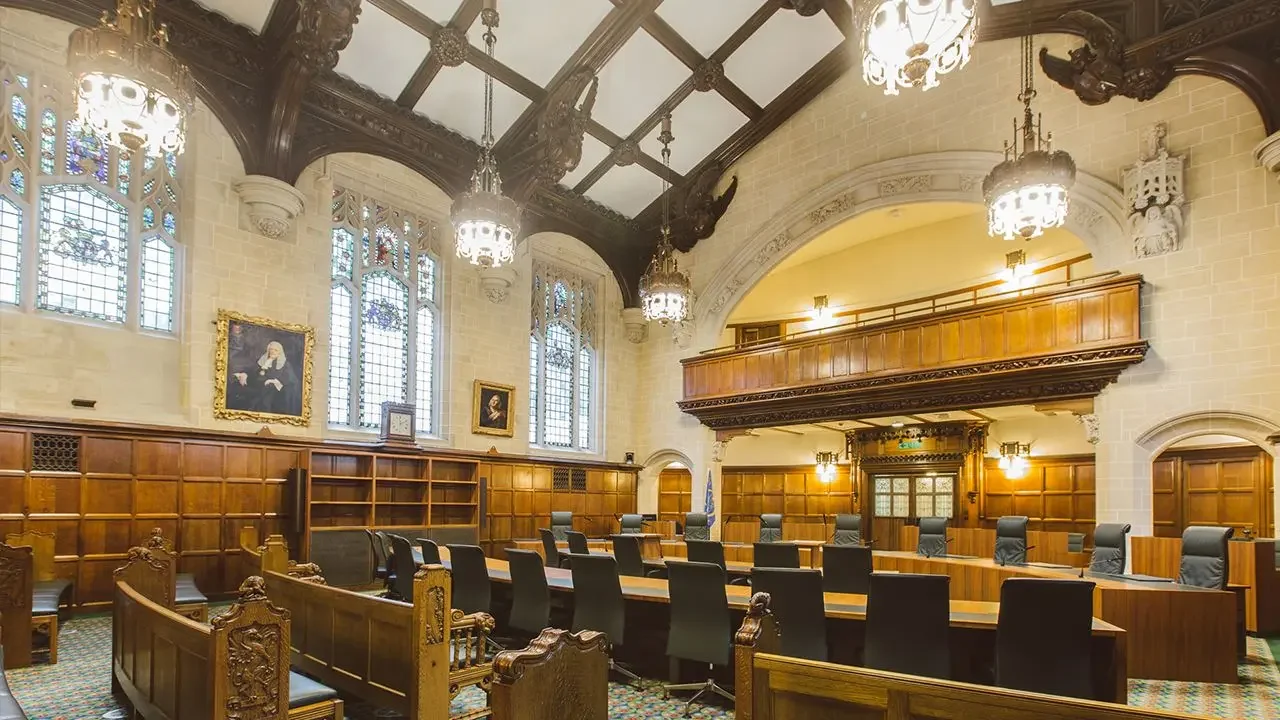
UK Supreme Court. Photo credit: UK Supreme Court.
Public access in UK litigation. 2026 sees increased public access to key litigation documents in the interests of open justice. Following a landmark 2019 ruling by the UK Supreme Court that all documents placed before a judge and referred to by any party in open court must be available to the public unless there is a compelling reason otherwise, "Public Domain Documents" including witness statements and documents "critical to the understanding of the hearing" will be automatically available on the public-facing side of the court's CE-File filing system starting on 1 January 2026 under a 2-year pilot. This will bring the UK closer to the US, where art litigation is far more common and extensive documentation including correspondence between the parties is routinely available online to anyone who cares to look. Easier access is likely to increase press scrutiny and may encourage settlement where parties are concerned about the court of public opinion. Parties wishing to preserve privacy may seek alternative dispute resolution such as arbitration and mediation which are confidential in nature.
Art disputes. We closely monitor art disputes worldwide. In the US, leading artist Jeffrey Gibson settled his claim against dealer Kavi Gupta over the alleged non-payment of sale proceeds earlier this year, as did artist Deborah Roberts against fellow artist Lynthia Edwards. In the UK, artist Chris Levine has been sued again over his ethereal images of the late Queen Elizabeth II, this time by the artist-holographer Rob Munday with whom he worked without a written agreement. Munday claims he is the joint author of the works and entitled to be identified as such whenever they are published commercially, exhibited in or communicated to the public. London’s National Portrait Gallery attributes one work in its collection to both men but we understand Levine considers himself to be the sole author. Munday also argues that Levine's "lurid neon and fluorescent" versions are a derogatory treatment of his "dignified" originals which infringe his moral rights.
The Levine case recalls recent claims against Maurizio Cattelan and the Estate of Martin Kippenberger in France and Germany by collaborators seeking joint authorship of key works, and the Berlin Court's 2023 ruling that artist Goetz Valien who executed a Kippenberger work is a joint copyright author entitled to the full economic and moral rights that authorship entails. The Kippenberger Estate appealed but their appeal was rejected in December 2025, confirming Valien as co-author. These cases are a timely reminder that artists and their dealers can and should require all freelance collaborators, designers and fabricators with any creative freedom to sign documentation addressing both copyright and moral rights in future works at the outset of any collaboration.
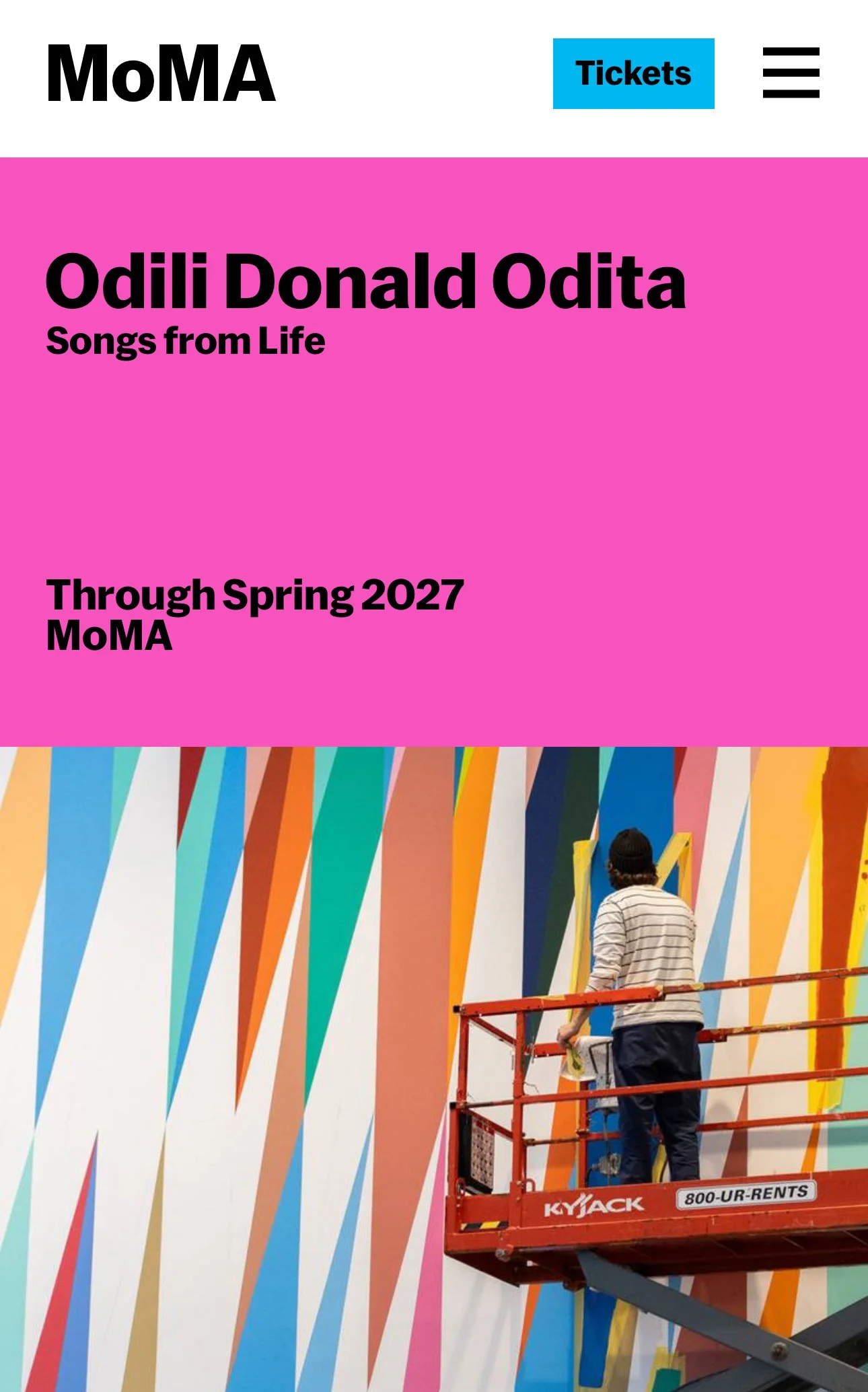
US artist Odili Donald Odita, whose large-scale commission fills MoMA's lobby through spring 2027, sued Jack Shainman Gallery (JSG) in New York in October 2025 seeking the return of consigned works. Having collaborated for almost 20 years, JSG paid the artist a monthly advance of at least $14,000/month pursuant to a Letter of Agreement from late 2016 until October 2024 when it said the artist owed $586,000 and froze payments pending repayment of the balance. Later sales have reduced the balance but the parties disagree over the amount outstanding: Odita says it is around $180,000 and JSG says it is around $290,000). It is unfortunate that the parties could not resolve their dispute privately before sensitive details became public and significant legal fees were incurred.
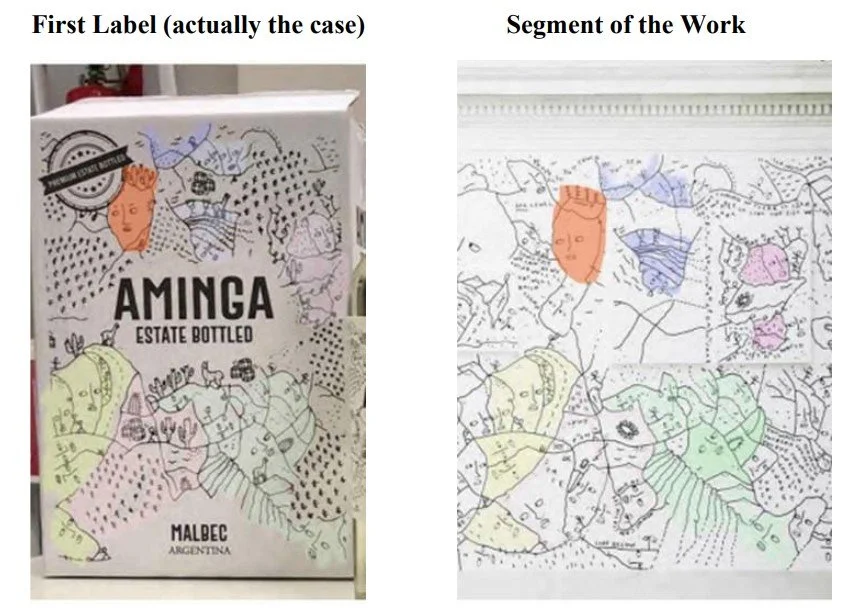
First wine label (L) and Shantell Martin work (R), colour-coded by the claimant artist to highlight copying.
And US-based British artist Shantell Martin had mixed fortunes in her UK claim for copyright infringement against a company which imported wine into the UK bearing labels which copied her artwork. The Court agreed that one early label infringed her copyright but held that two later versions moved sufficiently far away from her original wall drawing to avoid copyright infringement. Since relatively few bottles were sold with the first (infringing) label, the judge indicted Martin's damages would be under £10k. Martin had claimed at least $200k.
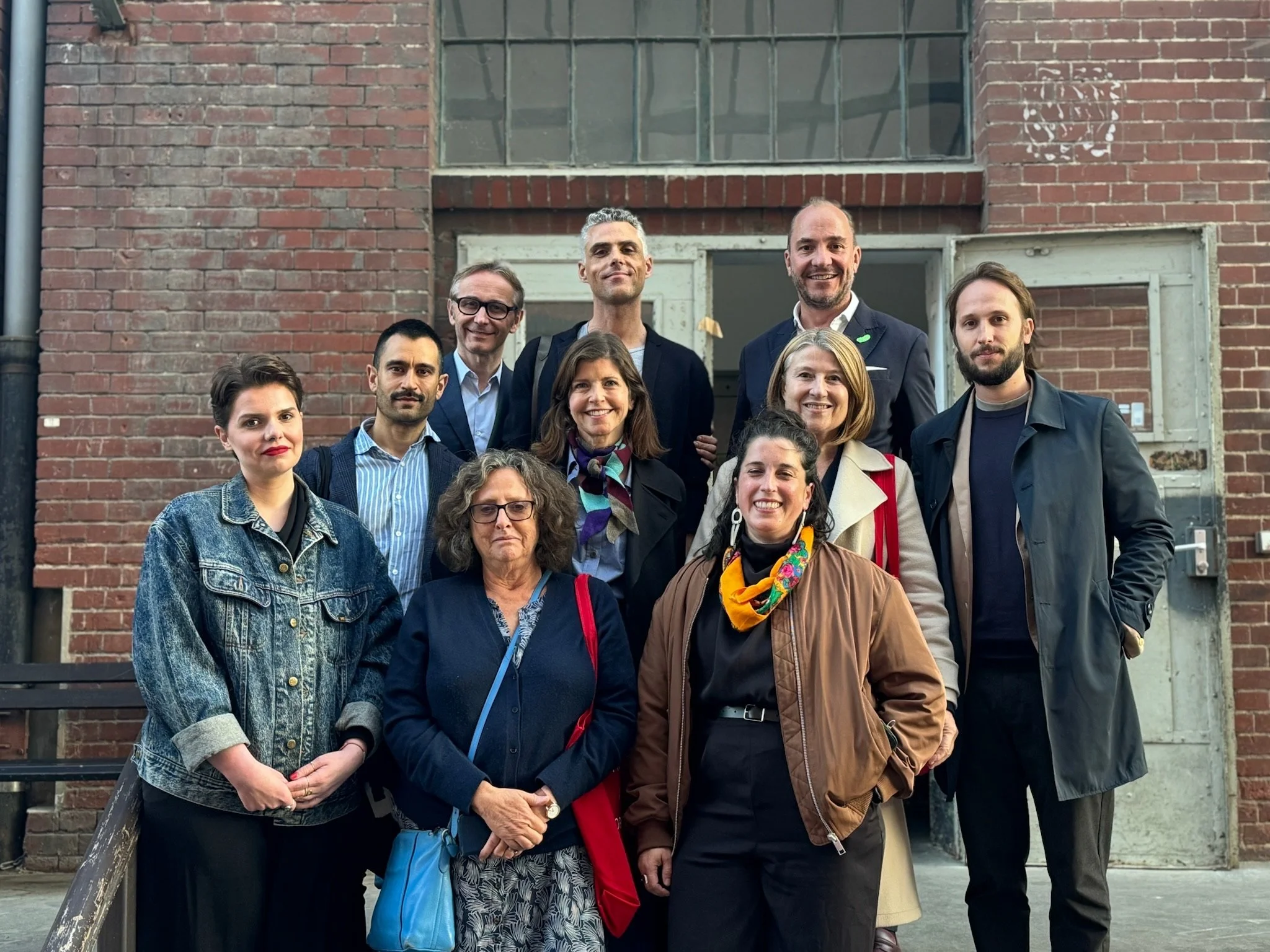
Berlin studio visits with the Institute for Artists and Estates.
Estate planning for artists and dealers. The UK tax system has seen major changes since the current Labour government was elected in 2024. UK-resident artists and dealers should be aware of the imminent reduction in so-called "Business Property Relief" (BRP) which will increase the inheritance tax (IHT) payable by artist and dealer estates with business assets worth over £2.5 million at the date of death. Whilst the rules are complex and individual advice should always be taken, BRP has for many years allowed well-advised artists and dealers to structure their businesses such that no inheritance tax (IHT) was due on business assets regardless of their value. After a last-minute change announced on 23 December 2025, 100% BPR will now be limited to the first £2.5 million of business property from 6 April 2026, with business assets above this threshold attracting 50% relief or an effective IHT rate of 20%. Estate planning is vital for all art market participants but particularly so for artists and we were delighted to join the Institute for Artists and Estates in Berlin for a 3-day deep-dive into the subject in September last year which brought together leading market experts with those running or preparing to run significant artist estates.
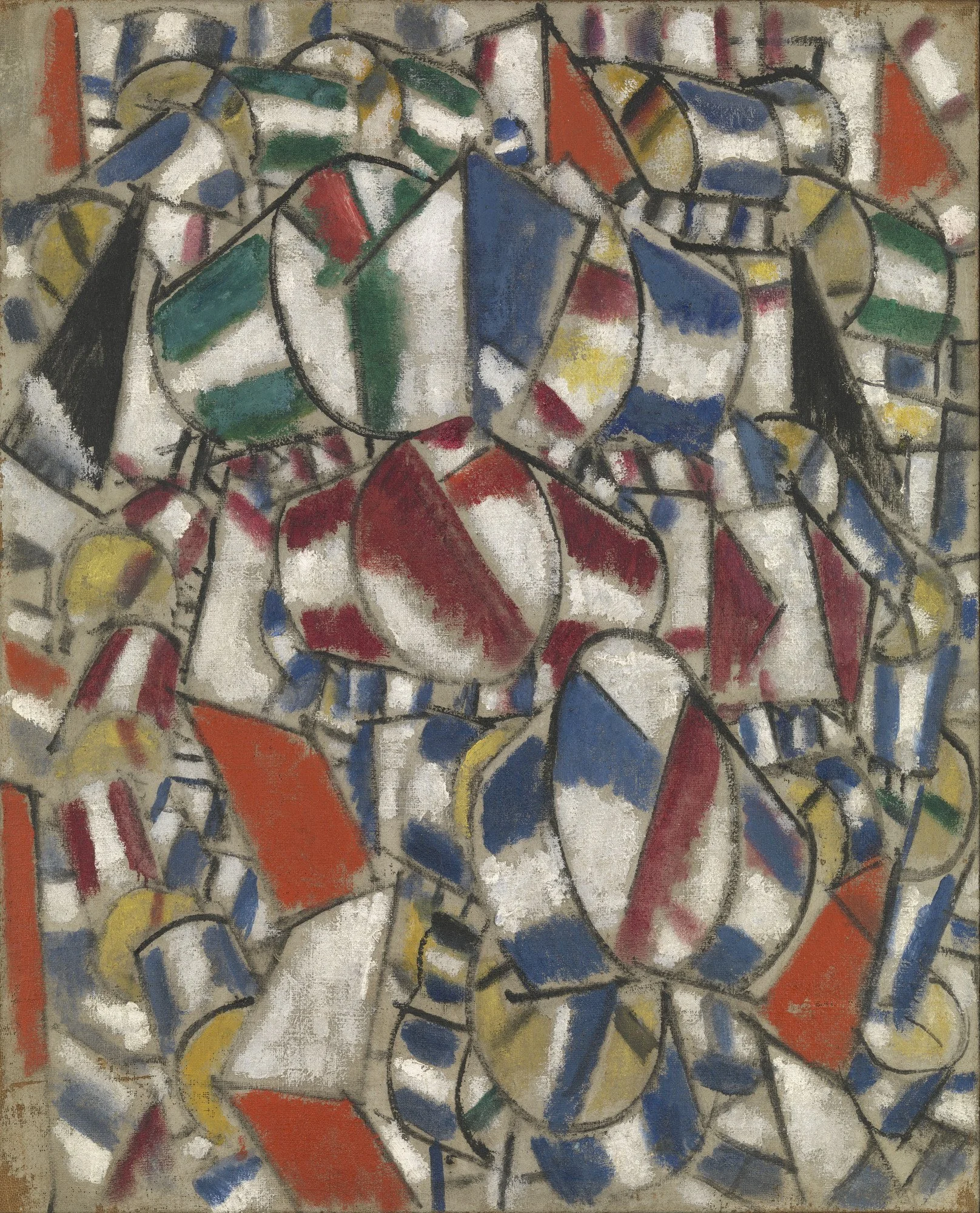
Fernand Léger, Contrast of Forms, 1913. Now in MoMA’s collection, this work was originally purchased from Léger by Kahnweiler.
Public Domain Day. Last but not least, the work of artists who died in 1955 entered the public domain on 1 January 2026 in those countries where copyright lasts for the artist’s lifetime plus 70 years post-mortem. We can expect to see more images and exhibitions of cubist star and pop art forerunner Fernand Léger (1881-1955) as well as Yves Tanguy (1900-1955) and Nicolas de Staël (1914-1955) who are perhaps the most high-profile of the 1955 vintage. Interestingly, Léger signed an exclusive three-year contract in 1913 giving his dealer — Cubist champion Daniel-Henry Kahnweiler (1884-1979) — the right of first refusal to buy (not take on consignment) his recent works directly from his studios. Léger committed to sell his works exclusively to Kahnweiler, who in return purchased all of the oil paintings and fifty of the drawings he produced each year. Kahnweiler had similar agreements with Braque, Picasso, Derain, de Vlaminck and Gris making him the sole supplier of their Cubist art until the onset of the First World War. Whilst much has changed since then, it is still the case that every generation produces its star artists and dealers — and that they often work and grow together.
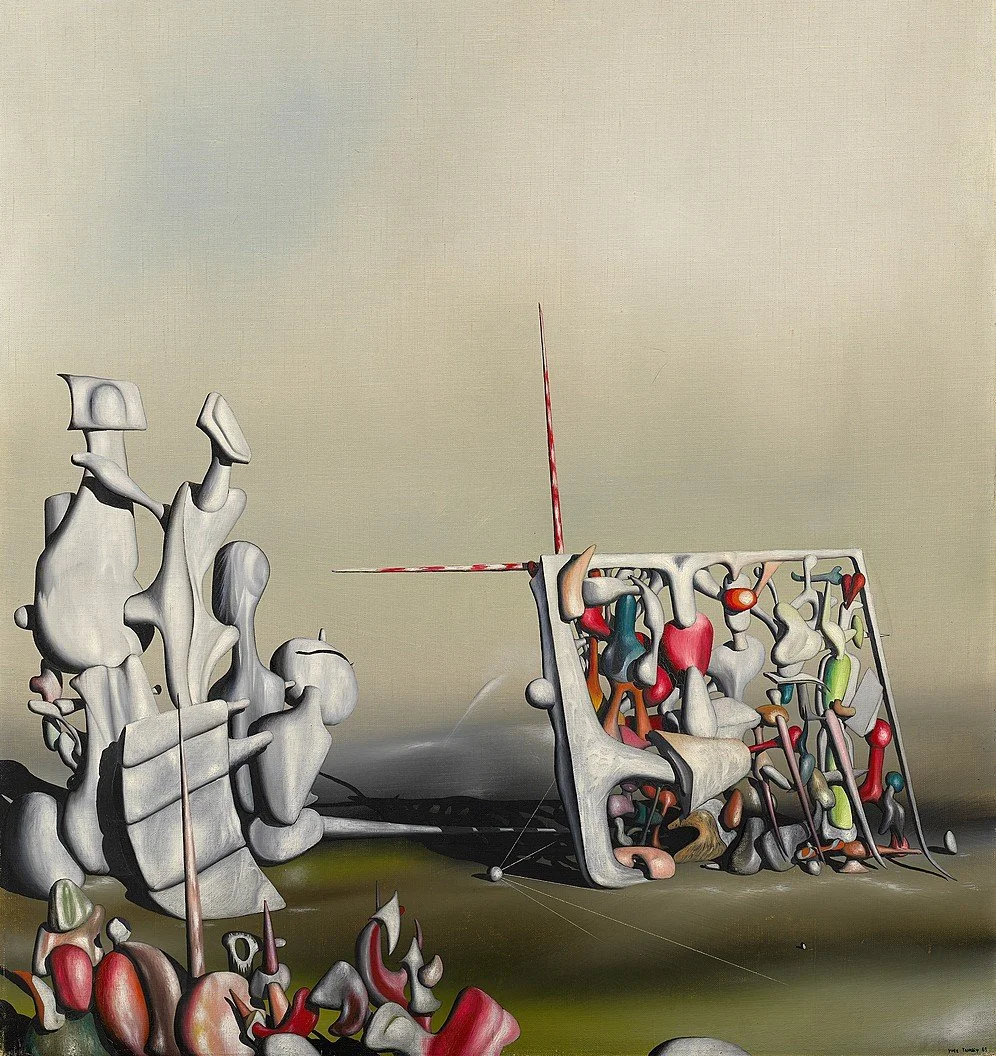
Main image above: Yves Tanguy, There, Motion Has Not Yet Ceased, 1945.
This Insight and any information accessed through the links is for general information only and does not constitute legal advice. Please contact us if you need advice on your particular circumstances.